
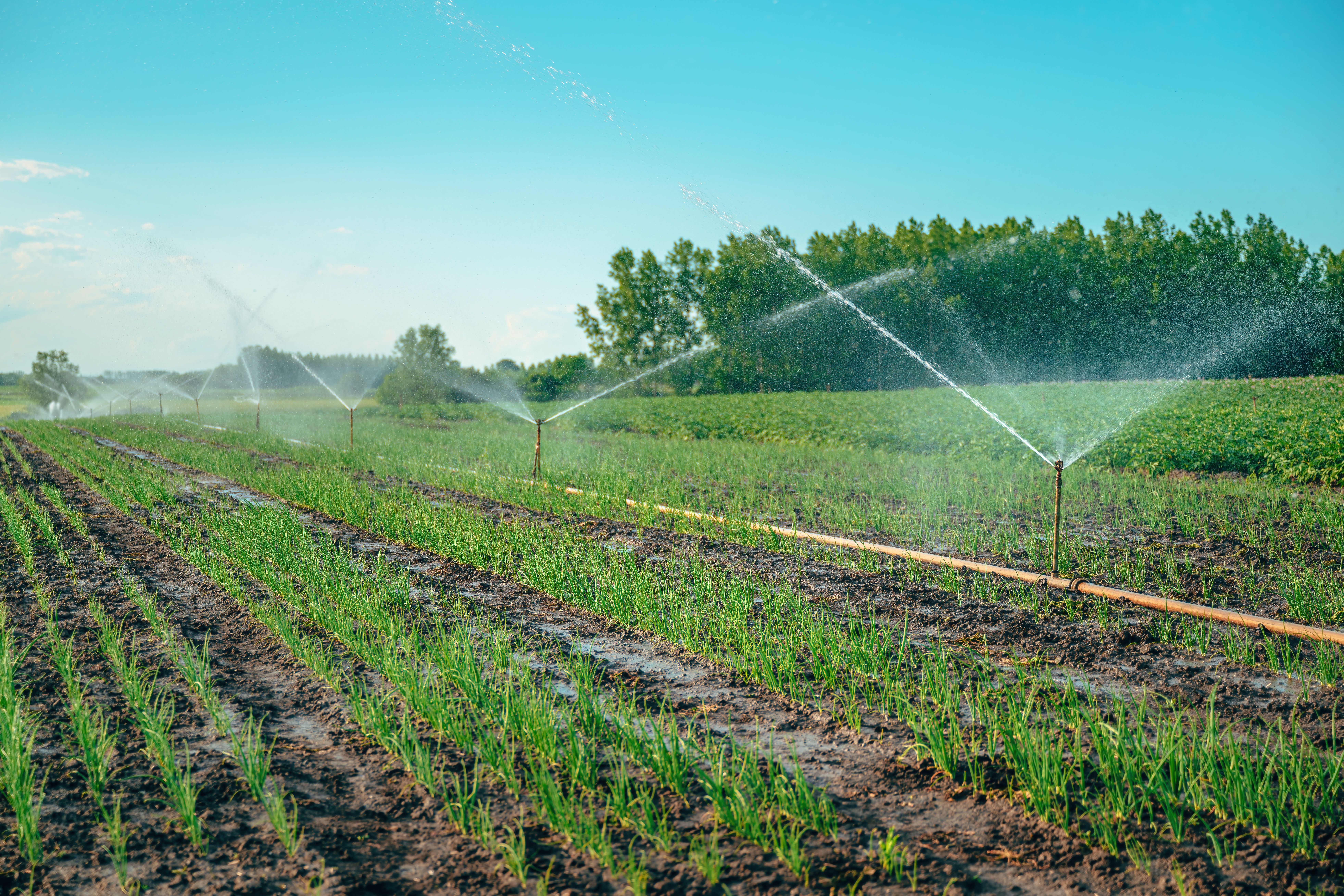
A healthy lawn doesn’t happen by accident; it starts with proper watering. Whether you’re maintaining a residential landscape or a large commercial property, an efficient Irrigation System Installation helps deliver the right amount of water at the right time, keeping your grass, plants, and trees healthy while reducing water waste. At Hill Country Dirt Works LLC, homeowners and businesses understand the value of professionally designed irrigation systems that promote healthier landscapes and long-term savings. By following expert irrigation practices, you can improve lawn health, reduce utility costs, and extend the life of your sprinkler system.
How Do You Keep Your Lawn Healthy with an Irrigation System?
The best way to maintain a lush, green lawn is by installing a properly designed irrigation system, watering during the early morning hours, adjusting watering schedules seasonally, performing regular inspections, repairing leaks promptly, and using smart irrigation technology to reduce water waste. Routine maintenance and efficient watering practices help ensure healthy grass while conserving water.
Why Proper Irrigation Matters
A professionally designed irrigation system does much more than water your lawn.
It helps:
- Maintain healthy grass growth
- Reduce water waste
- Prevent dry spots
- Improve root development
- Protect landscaping investments
- Lower monthly water bills
- Support healthier soil
- Increase property curb appeal
Without proper irrigation, lawns may suffer from underwatering, overwatering, fungal diseases, shallow roots, and unnecessary stress during periods of extreme heat.
What Is an Irrigation System?
An irrigation system is a network of pipes, valves, sprinkler heads, controllers, and sensors designed to deliver water evenly across your landscape.
Modern irrigation systems can automatically adjust watering schedules based on weather conditions, soil moisture, and seasonal changes.
Common irrigation systems include:
- Automatic sprinkler systems
- Drip irrigation
- Rotor sprinkler systems
- Spray irrigation
- Smart irrigation controllers
- Soaker hose systems
Choosing the right system depends on your landscape design, plant types, and watering requirements.
Benefits of Professional Irrigation System Installation
A professionally installed irrigation system offers long-term advantages that go beyond convenience.
Consistent Water Distribution
Manual watering often leaves some areas too dry while others receive too much water. Professional Sprinkler System Installation ensures even coverage across your entire property.
Water Conservation
Properly designed irrigation systems reduce runoff, overspray, and evaporation.
Smart watering practices help homeowners use less water while maintaining healthier lawns.
Healthier Plants
Consistent watering encourages deeper root growth, stronger turf, healthier shrubs, and more vibrant flower beds.
Time Savings
Automatic systems eliminate the need for manual watering, allowing homeowners to maintain beautiful landscapes with minimal effort.
Increased Property Value
Well-maintained landscaping improves curb appeal and enhances the overall appearance of residential and commercial properties.
10 Expert Irrigation System Tips for a Healthy Lawn
Following these best practices can help maximize the efficiency of your irrigation system while protecting your landscape throughout the year.
1. Water Early in the Morning
The best time to water is typically between 4:00 AM and 9:00 AM.
Early morning watering:
- Reduces evaporation
- Allows water to soak into the soil
- Prevents fungal diseases
- Improves root absorption
Avoid watering during the hottest part of the day when much of the moisture evaporates before reaching plant roots.
2. Follow Local Watering Guidelines
Many communities have watering schedules designed to conserve water during periods of high demand. If you’ve recently completed Lawn Irrigation in Fair Oaks Ranch, TX, check local watering regulations before programming your irrigation controller.
Following local guidelines helps avoid unnecessary water use while keeping your lawn healthy.
3. Upgrade to Smart Irrigation Technology
Traditional timers operate on fixed schedules regardless of weather conditions. A Smart Irrigation System Installation in Fair Oaks Ranch, TX automatically adjusts watering based on:
- Rainfall
- Temperature
- Humidity
- Wind
- Soil moisture
These systems improve efficiency while helping reduce monthly water bills.
4. Inspect Sprinkler Heads Regularly
Broken or clogged sprinkler heads often create:
- Dry patches
- Overspray
- Uneven watering
- Higher water bills
Monthly inspections help identify problems before they affect your landscape.
If you notice damaged components, scheduling Irrigation Repair in Fair Oaks Ranch, TX can restore proper system performance.
5. Adjust Sprinkler Coverage
Sprinklers should only water landscaped areas.
If water lands on:
- Sidewalks
- Driveways
- Patios
- Streets
your system needs adjustment.
Correct sprinkler alignment reduces water waste and improves irrigation efficiency.
6. Test Water Distribution
An easy way to evaluate sprinkler performance is by performing a catch-can test.
Place several identical containers around your lawn and run the irrigation system for 15 minutes.
Afterward, compare the amount of water collected in each container.
Uneven water levels may indicate:
- Poor pressure
- Misaligned sprinkler heads
- Blocked nozzles
- Coverage gaps
Routine Irrigation Maintenance Services often include these performance tests.
7. Group Plants by Water Requirements
Different plants require different amounts of water.
Creating irrigation zones based on plant types improves watering efficiency.
Examples include:
- Turfgrass
- Flower beds
- Shrubs
- Vegetable gardens
- Trees
Grouping plants with similar watering needs prevents overwatering and underwatering.
8. Choose Drip Irrigation for Flower Beds
While sprinklers work well for lawns, flower beds and gardens often benefit from Drip Irrigation Installation.
Drip systems:
- Deliver water directly to plant roots
- Reduce evaporation
- Minimize weed growth
- Lower water consumption
- Improve plant health
They are especially useful during hot Texas summers.
9. Raise Your Mowing Height
Many homeowners cut grass too short.
Maintaining grass at approximately 3–4 inches helps:
- Shade the soil
- Retain moisture
- Reduce evaporation
- Encourage deeper root systems
Healthier grass works together with your irrigation system to withstand drought conditions.
10. Inspect Your Irrigation System Every Month
Routine inspections help detect problems before they become expensive repairs.
Monthly inspections should include:
- Sprinkler heads
- Valves
- Pipes
- Controllers
- Drip lines
- Water pressure
- Timers
If issues are discovered, prompt repairs help maintain system efficiency throughout the year.
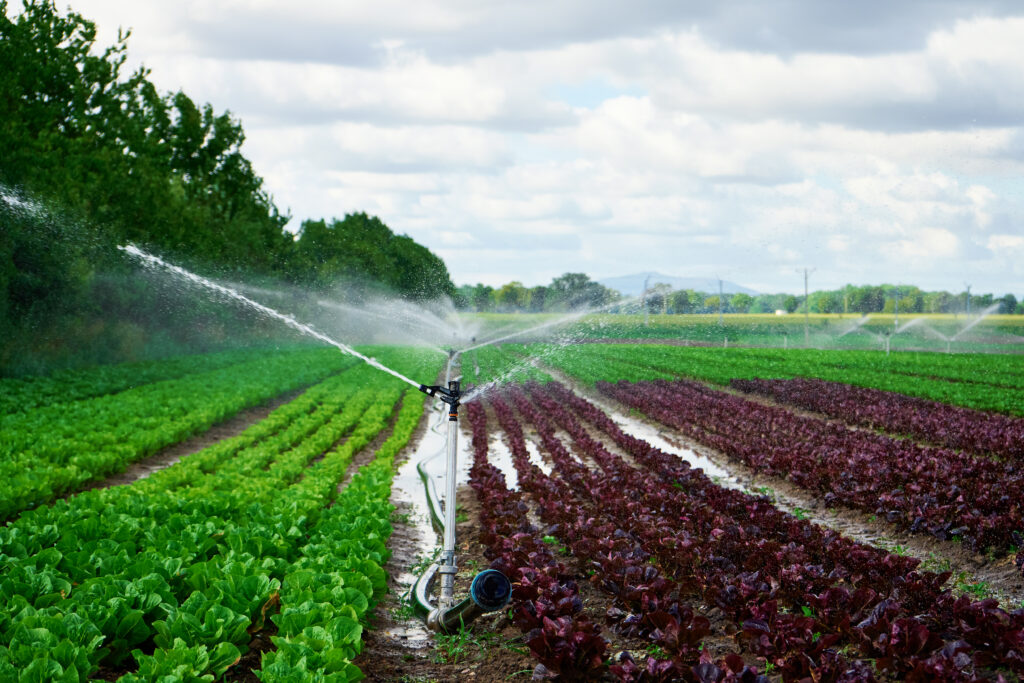
Common Signs Your Irrigation System Needs Repair
Even well-maintained systems eventually require service.
Watch for these warning signs:
- Dry or brown patches
- Constantly wet areas
- Low water pressure
- Broken sprinkler heads
- Water pooling
- Leaking valves
- High water bills
- Controller malfunctions
- Uneven sprinkler coverage
If you notice these issues, searching for Sprinkler Repair Near Me or scheduling professional repairs can help prevent additional landscape damage.
Residential vs. Commercial Irrigation Systems
Although both systems serve the same purpose, their designs differ significantly.
| Residential Irrigation Systems | Commercial Irrigation in Fair Oaks Ranch, TX |
| Smaller landscapes | Large properties |
| Fewer irrigation zones | Multiple watering zones |
| Lower water demand | Higher capacity systems |
| Simpler controllers | Advanced smart controllers |
| Easier maintenance | More complex system management |
Commercial systems often require additional planning to efficiently irrigate larger landscapes while minimizing water consumption.
How Much Does Irrigation System Installation Cost in 2026?
One of the first questions homeowners ask before installing a new irrigation system is, “How much will it cost?” The answer depends on several factors, including your property’s size, the type of irrigation system, the number of watering zones, soil conditions, and the level of automation you choose.
A professionally designed Irrigation System Installation may have a higher upfront cost than manual watering, but it can save money over time by reducing water waste, improving landscape health, and lowering maintenance expenses.
Average Irrigation Installation Costs
| Service | Average Cost (2026) |
| Sprinkler System Installation | $2,500–$6,500 |
| Automatic Sprinkler Installation | $3,000–$7,000 |
| Smart Irrigation Controller Installation | $250–$900 |
| Drip Irrigation Installation | $500–$2,500 |
| Sprinkler Head Replacement | $75–$250 per head |
| Valve Replacement | $150–$500 |
| Irrigation Leak Repair | $150–$600 |
| Annual Irrigation Maintenance | $150–$500 |
Actual pricing varies depending on property size, landscape design, and local labor rates.
Factors That Affect Irrigation Costs
Every property has unique watering needs. Several factors influence the overall project cost.
Propert Size
Larger lawns require:
- More piping
- Additional sprinkler heads
- More irrigation zones
- Higher-capacity controllers
As a result, installation costs generally increase with property size.
Landscape Design
A simple rectangular lawn is much easier to irrigate than a landscape with:
- Flower beds
- Curved walkways
- Sloped terrain
- Trees
- Decorative gardens
Complex layouts require additional planning and customized watering zones.
Type of Irrigation System
The irrigation system you choose significantly affects both installation costs and long-term efficiency.
Common options include:
- Spray sprinkler systems
- Rotor sprinkler systems
- Drip irrigation
- Soaker hoses
- Smart irrigation systems
Each has unique advantages depending on the landscape.
Number of Irrigation Zones
Different areas of your property often require different watering schedules.
For example:
- Front lawn
- Backyard
- Flower beds
- Vegetable garden
- Trees
- Shrubs
Creating multiple zones allows each area to receive the appropriate amount of water.
Sprinkler Systems vs. Drip Irrigation
Many homeowners wonder which irrigation method is best.
The answer depends on the type of landscape you’re watering.
| Sprinkler System | Drip Irrigation |
| Best for lawns | Best for gardens |
| Covers large areas | Waters plant roots directly |
| Faster coverage | Excellent water efficiency |
| Easy automation | Minimal evaporation |
| Ideal for turfgrass | Ideal for shrubs and flower beds |
For many properties, combining both systems provides the most efficient watering solution.
Benefits of Smart Irrigation Systems
Technology has transformed modern irrigation. A Smart Irrigation System Installation in Fair Oaks Ranch, TX offers several advantages over traditional timer-based systems.
Weather-Based Watering
Smart controllers automatically adjust watering schedules based on:
- Rainfall
- Temperature
- Wind
- Humidity
- Seasonal weather patterns
This prevents unnecessary watering after rainfall.
Lower Water Bills
By applying only the water your landscape actually needs, smart irrigation systems help reduce overall water consumption. Many homeowners notice lower monthly utility bills after upgrading.
Remote Control
Most smart irrigation controllers connect to mobile apps.
Homeowners can:
- Adjust schedules
- Pause watering
- Monitor water usage
- Receive maintenance alerts
from virtually anywhere.
Improved Lawn Health
Consistent watering encourages stronger root systems and healthier grass while reducing stress caused by overwatering or underwatering.
Seasonal Irrigation Tips
Your irrigation schedule should change throughout the year.
Spring
Spring is the ideal time to inspect your system after winter.
Recommended tasks:
- Test sprinkler heads
- Check water pressure
- Replace damaged nozzles
- Program seasonal schedules
Summer
Summer temperatures require closer attention.
Best practices include:
- Water early in the morning
- Monitor soil moisture
- Increase watering frequency during extreme heat
- Watch for dry spots
Avoid watering during the afternoon when evaporation rates are highest.
Fall
As temperatures cool:
- Reduce watering frequency
- Remove debris from sprinkler heads
- Inspect valves
- Prepare for seasonal maintenance
Winter
If freezing temperatures occur:
- Shut down irrigation systems
- Drain water from pipes
- Protect exposed components
- Schedule winterization if needed
Winter preparation helps prevent costly pipe damage.
Monthly Irrigation Maintenance Checklist
Routine maintenance keeps your irrigation system operating efficiently throughout the year.
- Each month, inspect:
- Sprinkler heads
- Valves
- Controller settings
- Pipes
- Drip tubing
- Water pressure
- Timer programming
- Spray patterns
- Leaks
- Overspray
Addressing minor issues early helps prevent larger repairs later.
Signs You Need Professional Irrigation Repair
While homeowners can perform basic inspections, certain problems require professional attention.
Watch for:
- Multiple broken sprinkler heads
- Water pooling
- Sudden increases in water bills
- Low water pressure
- Controller failure
- Valve leaks
- Uneven lawn growth
- Constantly running zones
If these problems occur, scheduling Irrigation Repair in Fair Oaks Ranch, TX can restore proper system performance before additional landscape damage occurs.
Choosing the Right Irrigation Contractor
Hiring the right professional is just as important as choosing the right irrigation system.
When searching for an Irrigation Contractor Near Me, look for a company that:
- Is licensed and insured
- Has experience with residential and commercial irrigation systems
- Provides detailed written estimates
- Uses high-quality materials
- Offers maintenance services
- Understands local watering regulations
- Explains the recommended system design
- Provides workmanship warranties
An experienced contractor will design a system that delivers efficient water coverage while minimizing waste.
Common Irrigation Mistakes to Avoid
Avoiding these common mistakes can help extend the life of your irrigation system.
Watering Too Frequently: Frequent shallow watering encourages weak root systems. Instead, water deeply and less often.
Ignoring Small Leaks: Minor leaks often become major repairs if left unaddressed. Prompt repairs protect both your lawn and your water bill.
Misaligned Sprinkler Heads: Watering sidewalks and driveways wastes water and reduces irrigation efficiency. Regular adjustments ensure water reaches the intended landscape areas.
Skipping Seasonal Maintenance: Routine inspections help identify worn components before they fail during peak watering season.
Long-Term Irrigation Maintenance Best Practices
Installing an irrigation system is only the first step toward maintaining a beautiful landscape. Regular maintenance ensures your system continues operating efficiently, minimizes water waste, and extends the lifespan of its components.
Inspect the System Regularly
Walk around your property while the irrigation system is running at least once a month. Look for:
- Broken sprinkler heads
- Uneven spray patterns
- Water pooling
- Leaking valves
- Damaged drip tubing
- Low water pressure
- Overspray onto sidewalks or driveways
Early detection prevents expensive repairs and keeps your lawn evenly watered.
Clean Sprinkler Heads
Dirt, grass clippings, and debris can clog sprinkler nozzles, affecting water distribution.
Clean sprinkler heads periodically to ensure:
- Consistent water pressure
- Even spray patterns
- Improved watering efficiency
Monitor Water Pressure
Excessively high pressure can damage sprinkler heads and waste water, while low pressure may create dry spots. If you notice inconsistent performance, have the system professionally evaluated.
Update Controller Settings
Your irrigation controller should be adjusted throughout the year.
Changing seasonal settings prevents:
- Overwatering during cooler months
- Underwatering during extreme summer heat
Modern smart controllers simplify this process by making automatic weather-based adjustments.
Schedule Annual Professional Maintenance
Professional Irrigation Maintenance Services typically include:
- Controller testing
- Valve inspections
- Leak detection
- Sprinkler head adjustments
- Zone testing
- Water pressure checks
- System performance evaluation
Annual service helps maximize system efficiency and reduce future repair costs.
Benefits of Professional Irrigation Services
While some maintenance tasks can be handled by homeowners, professional services provide additional expertise and long-term value.
Accurate System Design
Professionals evaluate:
- Soil conditions
- Sun exposure
- Plant types
- Water pressure
- Property layout
This ensures water is distributed evenly throughout the landscape.
Improved Water Efficiency
A professionally designed irrigation system minimizes:
- Runoff
- Overspray
- Evaporation
- Water waste
This can lead to noticeable reductions in water usage over time.
Longer Equipment Life
Routine maintenance reduces wear on:
- Valves
- Controllers
- Pipes
- Sprinkler heads
- Drip emitters
Well-maintained systems typically last longer and require fewer major repairs.
Healthier Landscaping
Consistent irrigation promotes:
- Deeper root growth
- Greener lawns
- Healthier trees
- More vibrant flower beds
- Improved soil moisture
Healthy landscapes are also more resistant to drought and seasonal stress.
Why Smart Irrigation Is the Future
Smart irrigation technology continues to evolve, helping homeowners manage water more efficiently than ever before.
Modern systems can:
- Monitor local weather conditions
- Adjust watering schedules automatically
- Detect leaks
- Track water usage
- Send maintenance alerts
- Integrate with smart home systems
These features not only improve convenience but also support sustainable landscaping practices.
Final Thoughts
A professionally designed Irrigation System Installation is one of the most effective ways to maintain a healthy, green lawn while conserving water and reducing long-term maintenance costs. By following best practices such as watering during the early morning, inspecting your system regularly, adjusting seasonal schedules, and investing in smart irrigation technology, you can improve the health of your landscape and maximize the efficiency of your watering system.
Whether you are planning a Sprinkler System Installation, upgrading to a Smart Irrigation System Installation in Fair Oaks Ranch, TX, considering Drip Irrigation Installation for your garden, or scheduling Irrigation Repair in Fair Oaks Ranch, TX, proactive maintenance and professional service can help protect your investment. Well-maintained Residential Irrigation Systems and Commercial Irrigation in Fair Oaks Ranch, TX not only create beautiful outdoor spaces but also promote responsible water use and long-term landscape success.
Frequently Asked Questions
How often should I water my lawn?
Most lawns require approximately 1 to 1½ inches of water per week, including rainfall. Watering deeply two or three times per week is generally more effective than daily shallow watering.
What is the best time of day to run an irrigation system?
Early morning, typically between 4:00 AM and 9:00 AM, is the ideal time. Cooler temperatures and lower wind speeds reduce evaporation and allow water to soak into the soil.
How long does an irrigation system last?
With proper maintenance, most professionally installed irrigation systems last 15–20 years, although components such as sprinkler heads, valves, and controllers may require periodic replacement.
When should I schedule irrigation maintenance?
A professional inspection at least once a year, combined with monthly visual checks, helps identify leaks, damaged sprinkler heads, and controller issues before they become major problems.
Is drip irrigation better than traditional sprinklers?
It depends on the landscape. Drip irrigation is highly efficient for flower beds, shrubs, and gardens because it delivers water directly to the roots. Sprinkler systems remain the preferred option for watering large lawn areas.
Can a smart irrigation system reduce water bills?
Yes. Smart controllers adjust watering schedules based on weather conditions and soil moisture, helping many homeowners reduce water consumption while maintaining healthy landscapes.